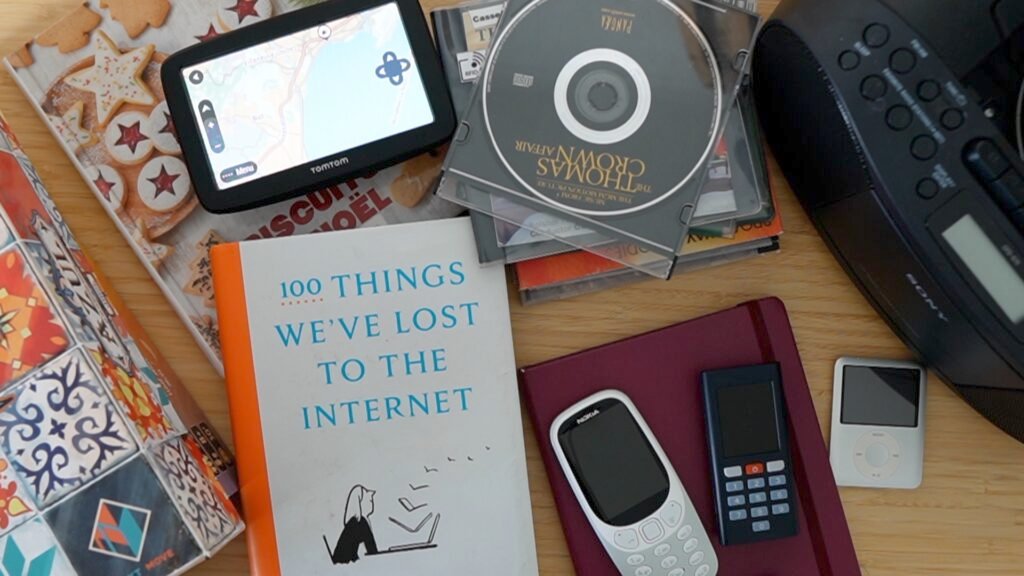
2025 was the year I traded apps for actual things.
Even though I switched to a simple (dumb) phone back in 2022, I still found myself spending most of my free time at home on other smart devices (like my laptop or iPad). It seemed like I went on these devices for specific purposes, but then I had a hard time getting back off after getting lost in a sea of notifications and possibilities on the Internet. I thought that maybe if I could replace some of the tools and functionalities of my smart devices with physical (ideally single purpose) items, that would reduce my dependence on the devices. Ultimately, I wanted to be able to use the Internet and participate in digital life, but not spend my entire existence online.
This process started by fully embracing my local library. I changed from a casual, infrequent browser, to an all-in regular. I made going to the library a habit, a ritual, a tradition. The library was packed full of physical media, and I wanted to figure out how I could use this to support my digital minimalist lifestyle.
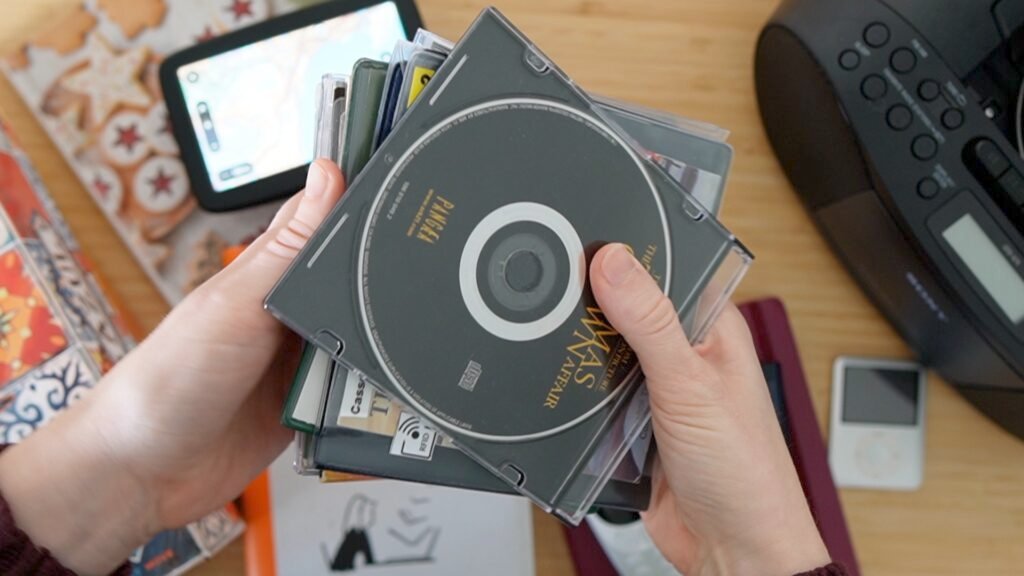
Spotify → CDs
I was instantly enchanted by the CD section. Even though I thought CDs were obsolete, the idea of listening to them again made me so nostalgic and happy. Spotify defined the background noise of my life, and I listened to it constantly. It kept me connected to smart devices, caused me to listen to ads frequently (too cheap to pay for premium), and made music listening feel flat after a while. The idea of taking a break from Spotify and listening to CDs instead was so whimsical and exciting. I could still listen to music, but without ads, without being surveilled or tracked, without a screen, without being connected to the Internet, and without an algorithm telling me what to listen to next.
I thrifted a cheap, low-quality CD player for 10€ just to try it out and I fell in love. Now picking out CDs at the library is something I do weekly and it is my main method of listening to music (sometimes I listen to my iPod, but mainly while traveling). After some time, I upgraded my CD player to a used Sony CFD-S70, which definitely has better audio quality than what I had before, while still being simple and affordable.
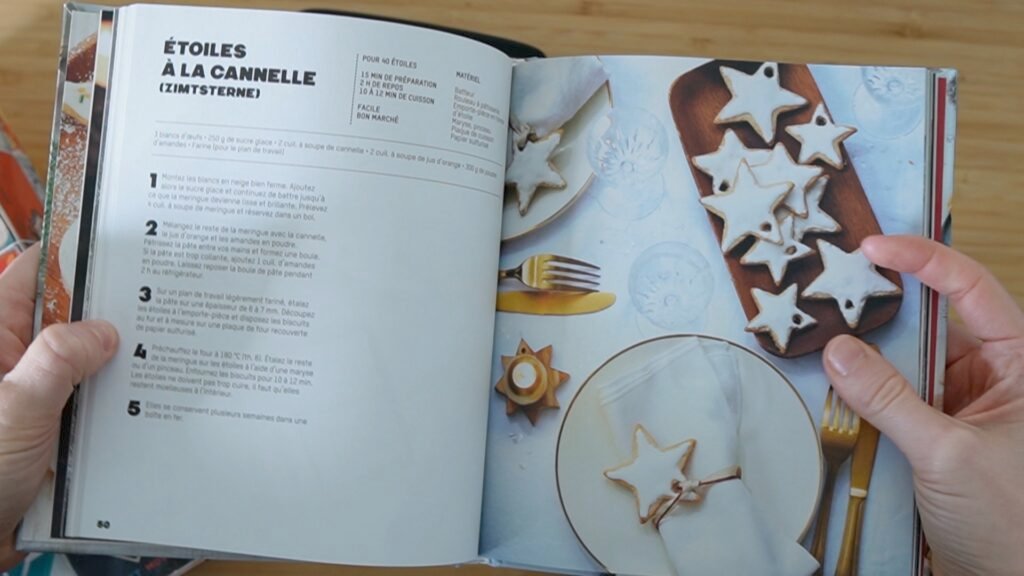
Pinterest → Cookbooks
I was getting tired of endlessly searching for the perfect recipe online, saving recipes on Pinterest, and using my smart devices to follow a recipe (while juggling ads and refreshes on the screen). I started borrowing cookbooks to simplify the whole cooking process, and it has been a much more peaceful way to cook. I plan to print off go-to recipes and make a physical recipe binder for them soon.
Netflix → Books & Board Games
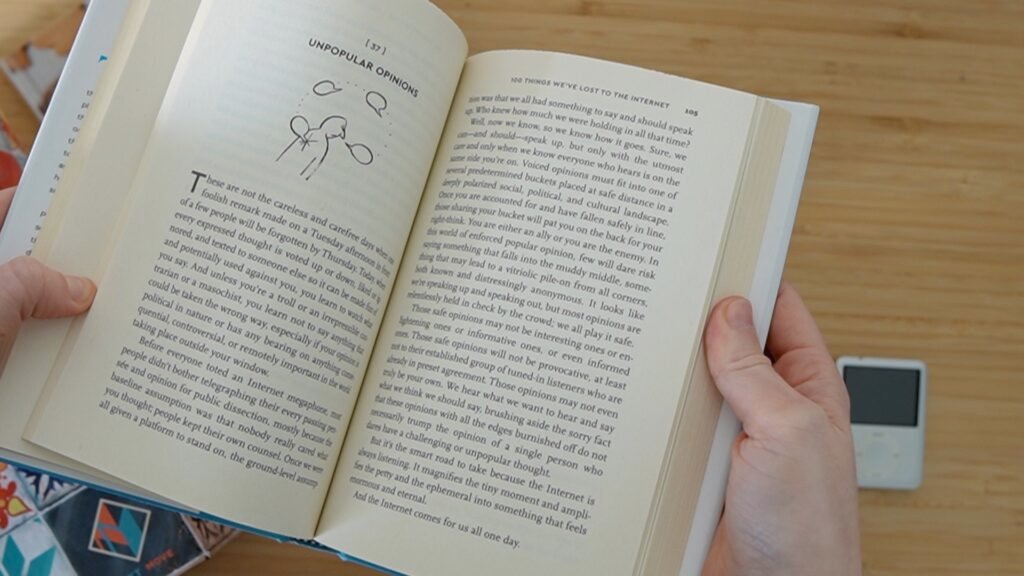
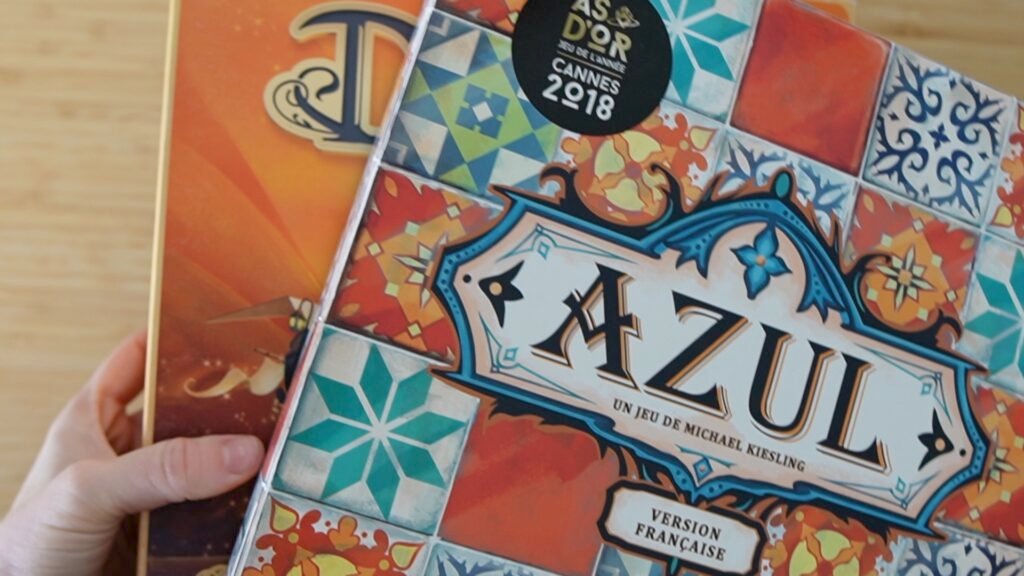
I traded my usual (nearly two hour) habit of watching Netflix every evening for a combination of books and board games. I was tired of the amount of time I was spending watching TV, and I wanted to find another way to wind down the day that didn’t involve screens. My husband and I started playing the board game Azul every night (it never gets old!) and reading physical books. Not only has my sleep improved, but I also feel so much calmer and more grounded at the end of the day. Also I feel as though my attention span has improved and I can focus more on slower, simpler forms of entertainment.
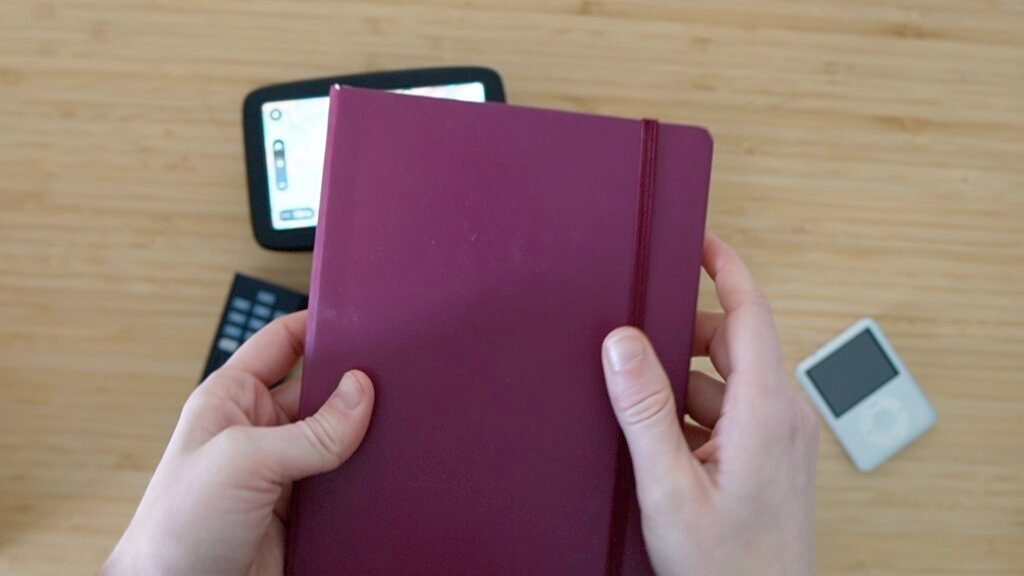
Notion / Notes App → Notebook
The notes of my life transitioned from analog to digital. I experienced the magic of going back to a pen and paper for writing, planning, brainstorming, and prioritizing. Starting with a cheap back-to-school notebook, I just wanted to have something physical to write things down on so I didn’t have to grab a smart device all the time. Later on, I upgraded to a slightly more sophisticated notebook with dots and a hard cover. It’s been wonderful to go back to writing things down on something tangible, something that has no ability to hijack my attention. I also started using my notebook as a tool for reverting my Internet impulses. Instead of looking something up every time something pops into my head, I write it down in my notebook. I can look it up later, but no need to look it up now. I have realized by now that there is no “real quick” when it comes to smart devices. Something else always pops up and I am always on longer than I intended. I feel like the less I’m looking something up just out of curiosity, the less time will mysteriously disappear starring at a screen.
Podcast App → iPod Nano
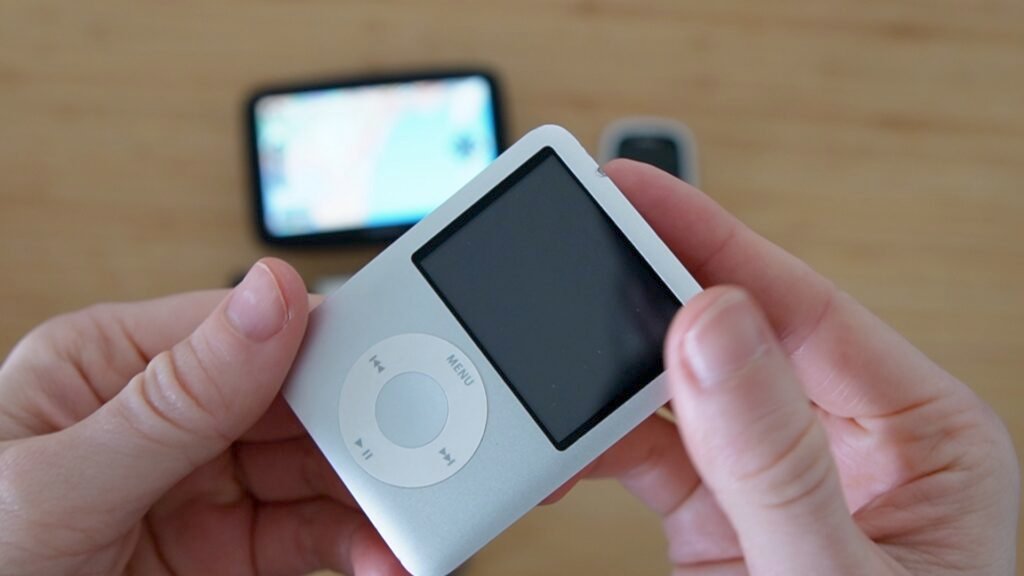
On an old tech hunt at my parents’ house, I found a couple bins of treasures. One treasure was a 3rd-generation iPod nano from my youth. So far, I have used this to replace any podcast apps, so I can listen to podcasts offline. But since I have to manually re-load podcasts onto it through my computer, I mainly use it for travel.
Camera App → Digital Camera
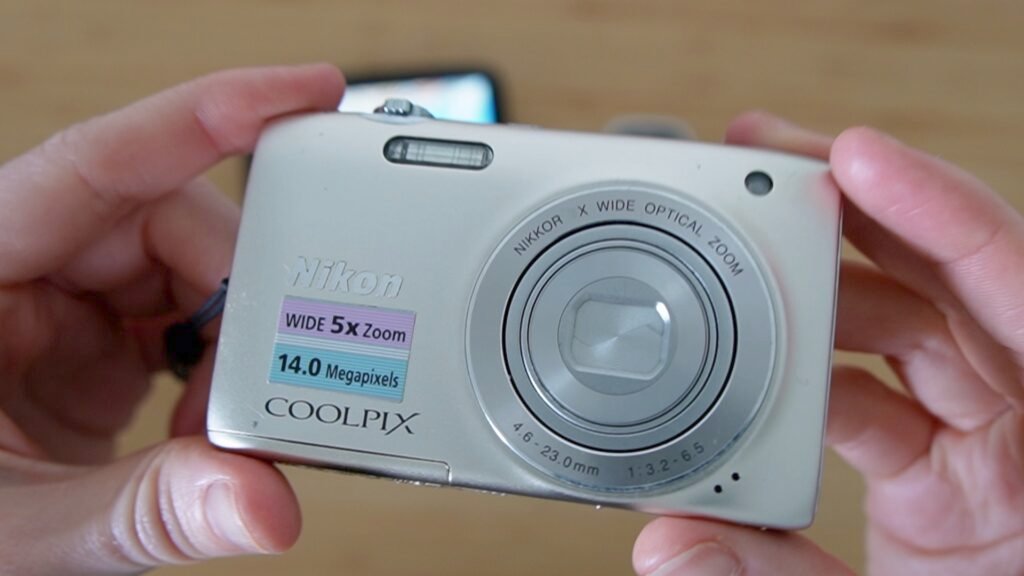
Also at my parents’ house, I found a little digital camera from 2011. The quality is okay-ish, and it gives me an option to take photos apart from my dumb phone or the nicer camera I use for Youtube. So far, I haven’t used it very much, but every once in a while it’s fun to use.
Banking App → Hardware Token
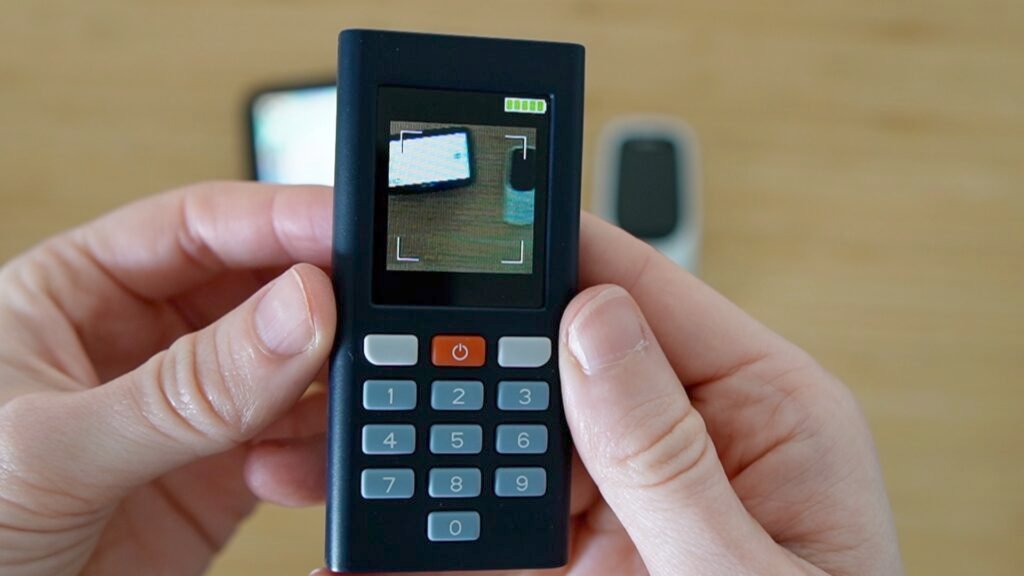
I had no idea that my bank offered two non-smartphone authentication methods (even though they do not offer SMS 2FA). I chose a hardware token called a Digipass, which allowed me to get rid of my iPad for banking.
Google Maps → GPS Navigation Device
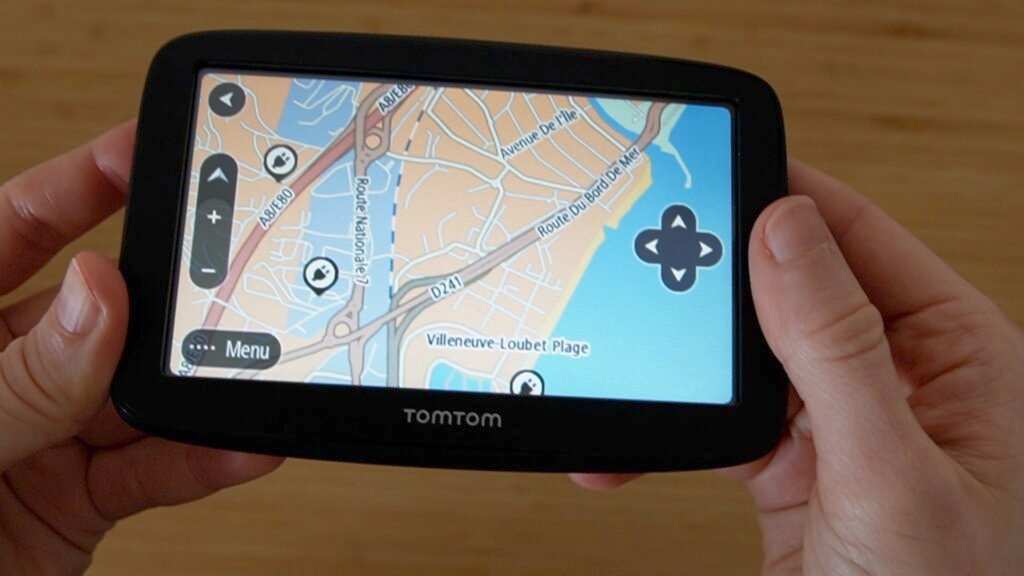
As a simple phone user, I usually look up directions before leaving the house (especially for walking, biking, and public transit routes). When my husband and I went on longer or more complicated trips in the car, we used to switch his SIM card into his old iPhone SE for navigation through Google Maps. But we ended up thrifting a TomTom Go Classic for the car for offline navigation, and I update the maps every few months through my laptop. Since it’s offline, it doesn’t provide instant traffic or accident information, which might be too big of a tradeoff for some. But generally, it has been a great way to get from point A to point B without a smart device.